

Walking naturally: how minimalist footwear is redefining foot health

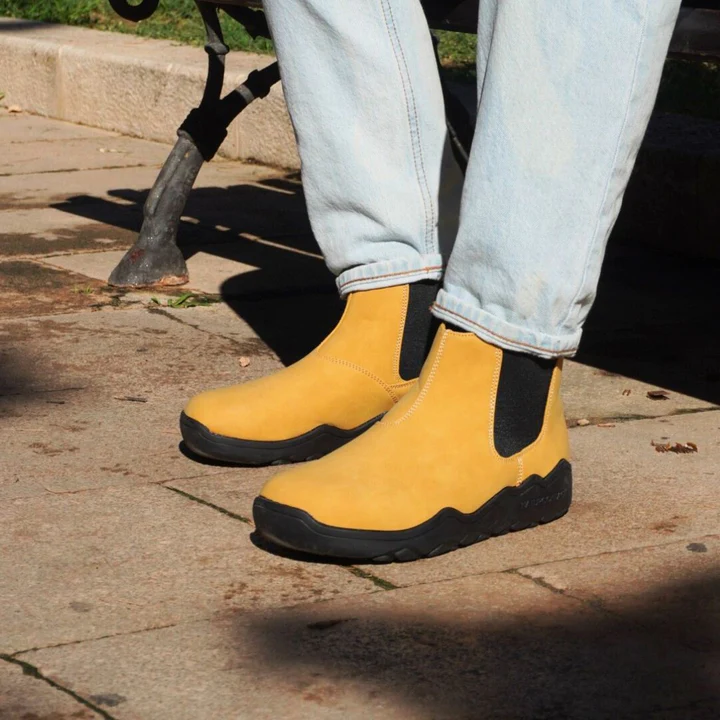
Modern footwear has long prioritized aesthetics and cushioning over the natural biomechanics of the human body. However, a growing movement of health enthusiasts and athletes is turning back to basics, rediscovering the benefits of thin soles and wide toe boxes. Brands like Naturcontact are leading this shift, offering designs that aim to replicate the experience of walking barefoot while providing necessary protection against modern terrains. By stripping away the excessive padding found in traditional sneakers, these minimalist options allow the feet to function as nature intended, potentially resolving chronic alignment issues and strengthening the intrinsic muscles of the lower limbs.
The evolution of the human gait and the modern shoe problem
For thousands of years, humans traversed rugged landscapes without the assistance of supportive arches or shock-absorbing foams. Our feet evolved as complex structures featuring 26 bones, 33 joints, and over a hundred muscles, tendons, and ligaments. This intricate design serves as a natural suspension system, capable of absorbing impact and adapting to uneven surfaces.
The introduction of modern footwear—characterized by elevated heels and narrow, pointed toe boxes—has fundamentally altered our gait. When we wear shoes with a “heel drop” (where the heel is significantly higher than the forefoot), our center of gravity shifts forward. To compensate, we tilt our pelvis and arch our lower backs, leading to a cascade of postural imbalances that can result in chronic back pain, knee strain, and hip tension.
The restrictive nature of the narrow toe box
One of the most detrimental features of conventional shoes is the tapered toe box. By squeezing the toes together, these shoes prevent the natural splay of the hallux (big toe). A compressed big toe loses its ability to stabilize the arch, often leading to common deformities such as bunions or hammertoes. Transitioning to footwear that respects the natural shape of the foot allows the toes to spread, providing a wider base of support and improving overall balance.
Why sensory feedback matters for movement
The soles of our feet are among the most nerve-rich areas of the body. This high density of receptors provides the brain with essential proprioceptive feedback—information about the ground’s texture, slope, and density. This data allows the nervous system to make micro-adjustments in real-time, protecting joints from sudden shocks.
The “muted” experience of thick cushioning
When we walk on thick, foamy midsoles, this sensory feedback is effectively “muted.” The brain cannot accurately perceive the ground, which often leads to a heavy heel strike. Because we feel protected by the cushion, we tend to slam our heels into the pavement with more force than necessary. Over time, this repetitive impact travels up the kinetic chain, contributing to joint wear and tear.
Minimalist footwear encourages a midfoot or forefoot strike, which is significantly gentler on the body. By feeling the ground, the wearer naturally softens their step, utilizing the calves and Achilles tendons as natural springs rather than relying on synthetic materials to do the work.
Benefits of strengthening the intrinsic foot muscles
Just like any other part of the body, the feet require exercise to remain functional. In traditional supportive shoes, the foot muscles become “lazy” because the shoe is doing all the work of maintaining the arch. This can lead to fallen arches or flat feet, as the supporting structures atrophy from disuse.
Building a functional foundation
Switching to a minimalist approach acts as a form of “strength training” for your feet. Research suggests that walking in thin-soled shoes can significantly increase the cross-sectional area of foot muscles. Stronger feet lead to:
- Improved Arch Support: A strong foot maintains its own arch naturally, reducing the need for orthotics.
- Enhanced Stability: Better muscle engagement translates to better balance, which is particularly crucial as we age.
- Injury Prevention: Many common issues, such as plantar fasciitis, are often the result of weak foot structures being overworked. Strengthening these tissues can alleviate and prevent these painful conditions.
Navigating the transition period
While the benefits of minimalist footwear are clear, the transition must be handled with care. If you have spent decades in traditional shoes, your calves and tendons have likely shortened, and your foot muscles have weakened. Moving too quickly into a barefoot-style shoe for high-intensity activities can lead to stress fractures or tendonitis.
Steps for a safe adjustment
The key to a successful transition is gradual exposure. It is recommended to start by wearing minimalist shoes for short periods around the house or during light walks. This allows the soft tissues to adapt to the new range of motion without being overwhelmed.
- Listen to your body: Minor muscle soreness is normal (it’s the feeling of “waking up” dormant muscles), but sharp pain is a sign to slow down.
- Incorporate mobility work: Stretching the calves and rolling the soles of the feet with a massage ball can help release the tension accumulated from years of wearing restrictive footwear.
- Focus on form: Pay attention to your stride. Aim for shorter, more frequent steps rather than long strides that land heavily on the heel.
Choosing the right minimalist footwear
Not all minimalist shoes are created equal. When looking for a pair that truly supports foot health, there are four primary criteria to consider:
- Zero Drop: The heel and the forefoot should be at the same height to maintain a neutral spine.
- Thin, Flexible Sole: The shoe should be able to roll up or twist easily, allowing the foot to move through its full range of motion.
- Wide Toe Box: There should be ample room for your toes to wiggle and spread out comfortably.
- No Artificial Arch Support: The shoe should protect the skin from debris while letting the foot’s internal structures manage the load.
By prioritizing these features, you are investing in a tool that promotes long-term health rather than just a fashion statement. Whether you are a runner looking to improve efficiency or someone seeking relief from daily discomfort, returning to a more natural way of walking offers a path toward lasting physical resilience.
The shift toward minimalist footwear is more than just a trend; it is a recognition that our biological design is already optimized for movement. By removing the barriers between our feet and the earth, we reclaim the strength, balance, and freedom that modern life has tucked away in a box.
